



Cuba Makes Landmark Decision to Conserve Coral Reefs
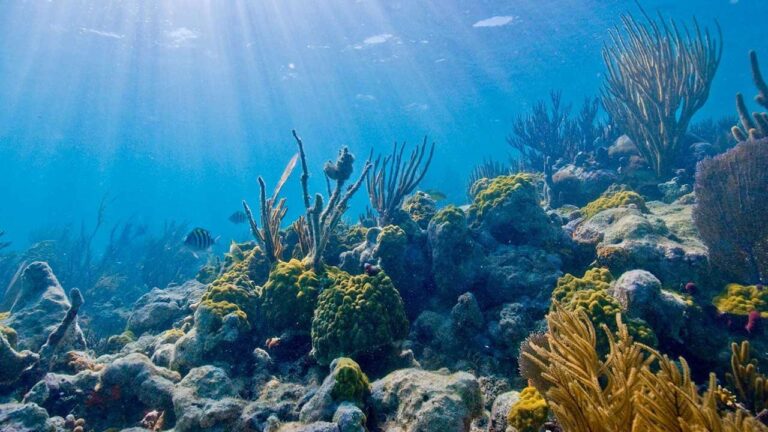
X/@MirtaGranda.
December 26, 2025 Hour: 10:23 am
🔗 Comparte este artículo
Corals face damage from rising temperatures, ocean acidification, pollution, invasive species, storms, and groundings.
Cuba has adopted a landmark decision to conserve coral reefs, vital ecosystems that protect coastlines, support commercial biodiversity, and generate sand to maintain the archipelago’s beaches.
RELATED:
Cuba To Construct 12 Fishing Vessels
Since reefs face accelerated degradation globally due to climate change and environmental pressures, Cuba is promoting marine protected areas, scientific research, and community participation to foster a “sustainable relationship” with the sea.
The document, soon to be approved by the Council of Ministers, proposes informed decisions and effective management with community participation, which consolidates a responsible framework for protecting this strategic habitat.
The plan, led by Patricia Gonzalez, a scientist at the Center for Marine Research, incorporates the work of scientists and conservationists who have dedicated years to the matter. It also aligns with ‘Task Life’, the Government’s program against climate change.
The text reads, “Discover a universe of unexplored beauty. Cuba invites you to its more than 500 dive sites with spectacular landscapes, caves, and coral reefs.”
A key milestone was the “Circumnavigation of Cuba” in 2023, a scientific expedition with international participation that allowed a comprehensive assessment of the reefs and provided the foundation for a conservation roadmap.
The presentation of the roadmap embodies the historical vision of Commander Fidel Castro, who called for Cuba “not to turn its back on the sea.” Coral reefs contribute thousands of dollars in recreation and tourism, provide habitat for fish, and offer coastal protection.
Although reefs have an economic value of US$10 trillion annually worldwide, corals face damage from rising temperatures, ocean acidification, pollution, invasive species, storms, and groundings, factors that have led to the loss from 30% to 50% of reefs.
Saving the reefs requires a multifaceted local-to-global approach, with more resources and efficiency in restoration, as well as rapid progress to achieve a positive ecosystem impact.
teleSUR: JP
Source: Cubadebate – NOAA Fisheries